

Pet safety guide
What to Do If Your Dog Goes Missing in the UK
A step-by-step guide for finding a lost dog.
Realising your dog is missing can be frightening, but acting quickly and methodically can help. Whether your dog has escaped from the garden, slipped their lead, run away during a walk or simply disappeared, there are several practical steps you can take immediately. This guide explains what to do if your dog goes missing in the UK, who to contact and how good identification can make it easier for someone who finds your dog to reach you.
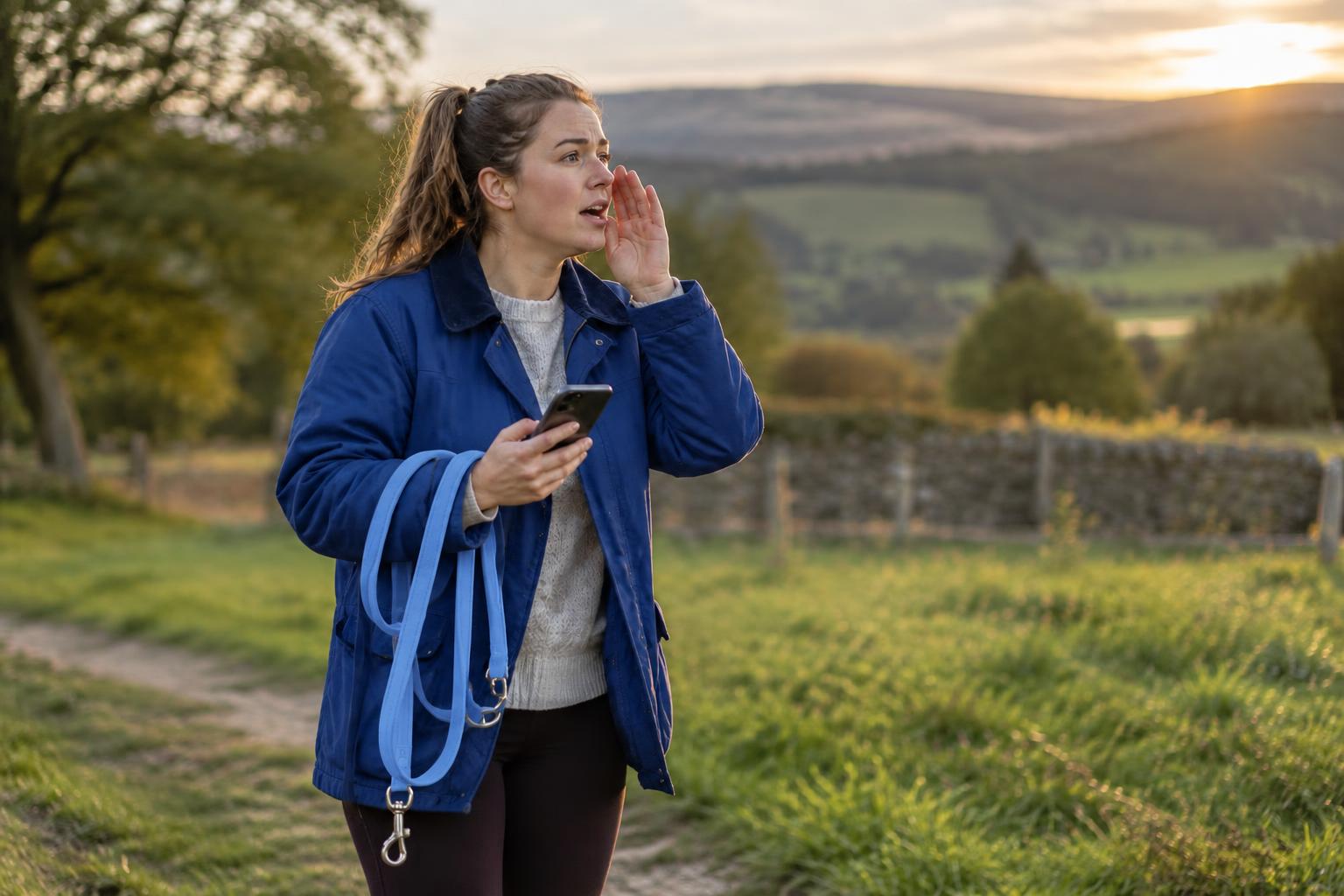
1. Search the immediate area
Start where your dog was last seen.
Check your home, garden and surrounding streets carefully before expanding the search.
Look in places where a frightened or confused dog might hide, including:
- Gardens
- Sheds and garages
- Parks
- Bushes and woodland
- Fields
- Familiar walking routes
- Areas around friends' or relatives' homes
- Places your dog regularly visits
Ask neighbours, walkers and local businesses whether they've seen your dog.
If possible, have someone remain near home while others search. Your dog may return while you're away looking for them.
2. Report your dog missing to the microchip database
Contact the database where your dog's microchip is registered and report your dog as missing.
Make sure your telephone number, address and other contact details are current.
All dogs in the UK must be microchipped and registered by eight weeks old, and owners are responsible for keeping the registered information up to date.
If you don't know which database holds your dog's details, use the official GOV.UK microchip guidance to find out.
3. Contact your local dog warden
Report your missing dog to your local council's dog warden service.
If somebody finds a stray dog, the local authority may become involved, so making sure they already have your dog's details can help connect a found dog with its owner.
Provide as much information as possible, including:
- Dog's name
- Breed or type
- Colour
- Sex
- Age
- Microchip number, if available
- Collar/tag details
- Distinguishing features
- Where your dog was last seen
- Date and time they disappeared
- Your contact details
For owners in England and Wales, GOV.UK provides an online service for finding the relevant council for a missing dog.
4. Contact local vets and rescue centres
Call veterinary practices, animal hospitals and rehoming or rescue centres in and around the area where your dog disappeared.
Don't restrict the search to your nearest vet. Someone finding your dog may take them to a veterinary practice several miles away.
Provide a clear photograph and your contact details where possible.
5. Register your dog on missing-pet services
Register your dog with reputable missing-pet services. Provide:
- A recent photograph
- Dog's name
- Breed/type
- Colour
- Distinguishing features
- Location last seen
- Date and time missing
- Contact information
Keep these listings updated if there are new sightings.
7. Create missing-dog posters
Not everybody uses social media.
Create a clear poster that can be understood quickly. Use a large photograph and keep the wording simple.
MISSING DOG — PLEASE HELP
Name: Bailey
Breed: Labrador
Colour: Black
Last seen: [location]
Date: [date]
Distinctive features: [details]
Contact: [telephone number]
With permission, posters can be displayed in appropriate local locations such as veterinary surgeries, community noticeboards and other places where local people may see them.
8. If you think your dog has been stolen
If there are reasons to believe your dog was stolen rather than simply lost, report the suspected theft to the police.
Current government guidance distinguishes stolen dogs from ordinary strays: police handle reports of stolen dogs, while local authorities deal with stray dogs.
Keep records of relevant information, sightings and communications.
9. Keep checking
Don't assume everybody who might find your dog will see your first social-media post.
Continue checking with relevant organisations and update your posts when useful.
Monitor: local council/dog warden, vets, rescue centres, missing-pet websites and local social-media groups.
If somebody reports a sighting, record the location and time. Patterns in sightings may help you understand where your dog is moving.
Why identification matters
A person finding your dog needs a way to connect the dog back to you.
In the UK, dogs must be microchipped. A dog in a public place must also wear a collar and tag showing the owner's name and address.
Microchips are extremely important, but they need to be scanned with appropriate equipment.
This is one reason additional accessible identification can be useful.
How digital pet identification can help
Imagine someone finds your dog wandering nearby.
They may not immediately have access to a vet, rescue centre or microchip scanner.
But they probably have a smartphone.
A digital pet ID can provide another route for connecting the finder with useful information about the pet and its owner. For a fuller explanation, read our complete guide to NFC Pet ID tags.
How the TapHalo NFC Pet ID works
The TapHalo NFC Pet ID Tag connects your dog's physical tag with a digital pet profile.
If somebody finds your dog, they can use a compatible NFC-enabled smartphone to interact with the TapHalo tag. The tag connects them to the digital profile you've created.
Depending on the information you choose to make available, this could provide useful details such as:
Pet's name • Owner contact details • Emergency contact • Important pet information • Photograph
The finder doesn't need access to a veterinary microchip scanner to interact with an NFC tag.
NFC Pet ID + microchip
TapHalo isn't designed to replace your dog's microchip.
Think of the two forms of identification as complementary.
Microchip: permanent identification that can be read using an appropriate scanner.
TapHalo NFC Pet ID: accessible digital identification attached to the dog's collar that can be interacted with using a compatible smartphone.
Using more than one appropriate method of identification can provide different routes for somebody to identify your dog and contact you.
Keep your dog's details up to date
Identification only works effectively when the information connected to it is current.
If you change your telephone number, address, emergency contact or important pet information, remember to update the relevant records.
That includes your dog's registered microchip information and, if you're using TapHalo, the information on the digital profile.
Prepare before your dog ever goes missing
A little preparation can make a big difference if you ever need to search for your dog.
- Recent photographs of your dog
- Microchip number
- Microchip database details
- Vet details
- Clear record of distinctive markings
- Current contact information
- Appropriate collar identification
- TapHalo digital pet profile updated
Make sure other members of your household know where this information is kept.
Lost dog quick checklist
If your dog disappears:
- Search the immediate area
- Report your dog missing to the microchip database
- Contact your local dog warden/council
- Contact local vets, animal hospitals and rescue centres
- Register with appropriate missing-pet services
- Post in relevant local social-media groups
- Create clear missing-dog posters
- Keep checking and following up
- Report suspected theft to the police
- Keep your phone nearby and answer unfamiliar numbers where practical
Frequently asked questions
What should I do first if my dog goes missing?
Search the immediate area and places familiar to your dog. At the same time, begin contacting the dog's microchip database, local dog warden and relevant local vets and rescue organisations.
Who should I report a lost dog to in the UK?
Report your dog missing to its microchip database and relevant local authority/dog warden service. Contact local vets, animal hospitals and rehoming centres as well. If you believe the dog has been stolen, contact the police.
How does a microchip help find a lost dog?
A microchip contains a unique identification number. When an appropriate organisation scans the dog, that number can be checked against the registered database so the owner can potentially be identified.
Does my dog still need a collar and tag if they're microchipped?
Yes. UK government guidance states that dogs in public places must still wear a collar and tag showing the owner's name and address.
Can an NFC pet tag replace a microchip?
No. A TapHalo NFC Pet ID is designed to complement microchipping rather than replace it.
How can a TapHalo Pet ID help if my dog is found?
A compatible smartphone can interact with the TapHalo NFC tag and open the dog's digital profile, providing another way for a finder to access the information you've chosen to make available and contact you.
For more about pet ID, subscriptions and privacy, see our pet care questions.
Connected Pets. Complete Peace of Mind.
Give your dog more than one route home
Microchipping, appropriate collar identification and keeping your contact information current are essential parts of responsible dog identification. TapHalo adds another accessible digital layer — if your dog is found, a tap could help someone connect your dog back to you.
6. Use social media
Local social-media groups can spread information extremely quickly.
Look for community groups covering your town, village or neighbourhood, as well as local lost-and-found pet groups.
Create a simple post containing:
MISSING DOG
Clear photograph
Name
Breed/type
Colour and distinctive markings
Location last seen
Date and time
Safe contact method
Ask people to share the post.
Avoid publishing unnecessary sensitive personal information.